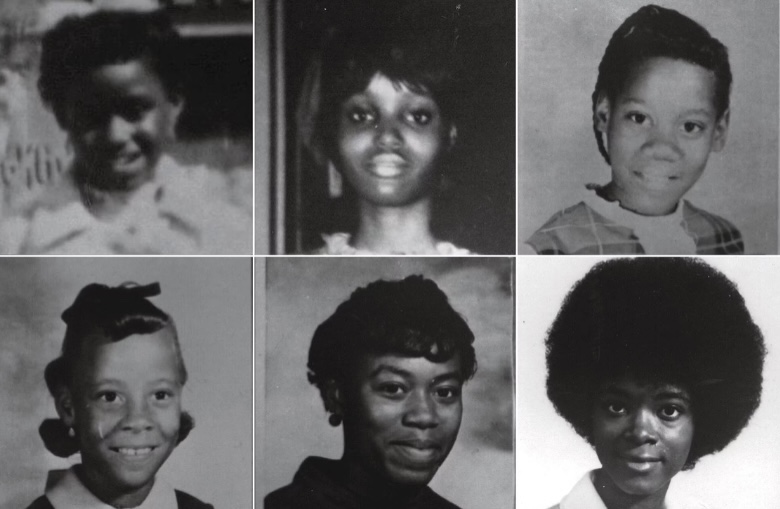
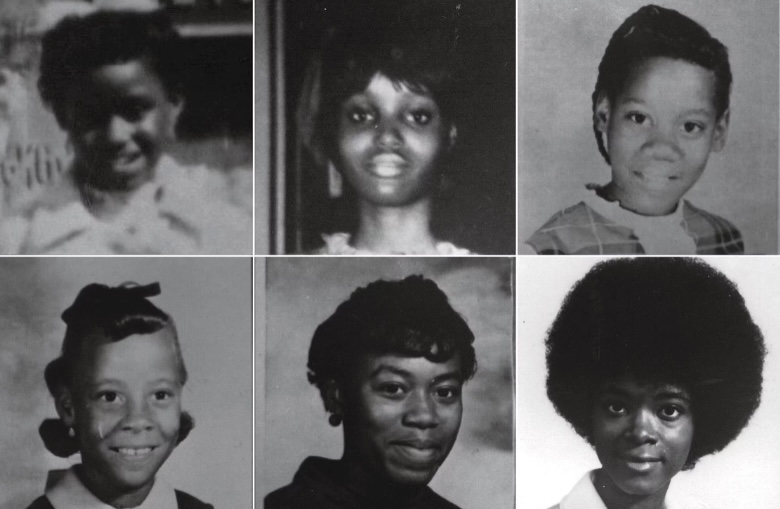
The Freeway Phantom Killer was the name given to an unidentified serial killer that was active back in the 1970s. He killed 6 young African American girls in the Washington, D.C. area. This killer has still not been identified.
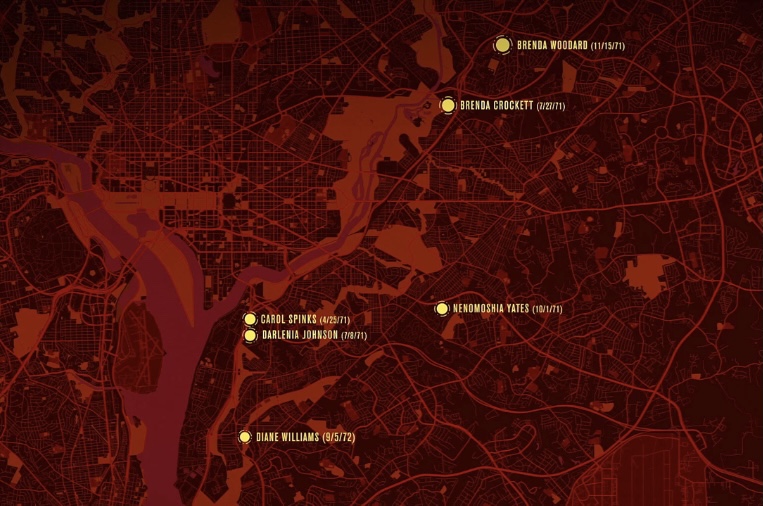
The Freeway Phantom killings began in April 1971. On the evening of April 25, 1971, a 13 year old girl named Carol Denise Spinks was sent to pick up groceries from the 7-Eleven that was half a mile away from her home and just across the border of Maryland. Carol made it to the store and actually ran into her mother on her way there, but on her way back home, she was kidnapped. She was found 6 days later in the afternoon behind St. Elizabeth’s Hospital near the northbound lanes of I-295. Carols’ autopsy showed that she was physically and sexually assaulted and her cause of death was strangulation. She was fully dressed, except she didn’t have shoes and there were small green fibers found near her body.

The next victim was 16 year old Darlenia Denise Johnson. On July 8, 1971, Darlenia was on her way to her summer job at Oxon Hill Recreation Center from her home in Congress Heights when she was kidnapped. A witness stated that a little after she was abducted, Darlenia was spotted in an old black car driven by an African American man. 11 days after she was kidnapped, Darlenia’s body was found just 15 feet away from where Carol was found. Her body was also found fully clothed without shoes. Because of her state of decomposition, investigators could not determine Darlenia’s cause of death or if she was sexually assaulted. There was some evidence that suggested that she may have been strangled though.
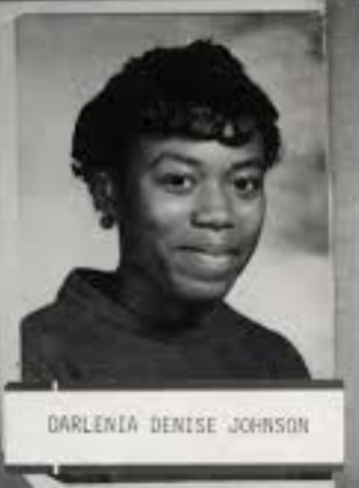
A week prior to the discovery of Darlenia, police were already anonymously told where she was located. The person gave details that only the killer would know.
After Darlenia, 10 year old Brenda Faye Crockett did not return home after she was sent to the store by her mother on July 27, 1971. At around 9:20 P.M., 2 hours after Brenda didn’t return, her family’s home phone rang. Brenda’s 7 year old sister answered and it was Brenda on the other line saying that a white man had picked her up and that she was coming home in a cab before saying bye. She also stated that she thought she was in Virginia before hanging up. A little while later, the phone rang again and it was Brenda again. This time, Brenda’s mother’s boyfriend picked up the phone and Brenda told him what she said before. She also asked if her mother had seen her and indicated she was alone with the man that took her. Her mother’s boyfriend told her to put the man on the phone. Loud footsteps were then heard in the background and Brenda said, “I’ll see you.” before hanging up. It was believed that Brenda’s killer made her make these phone calls to give her family false information and give himself time to carry out his crime.
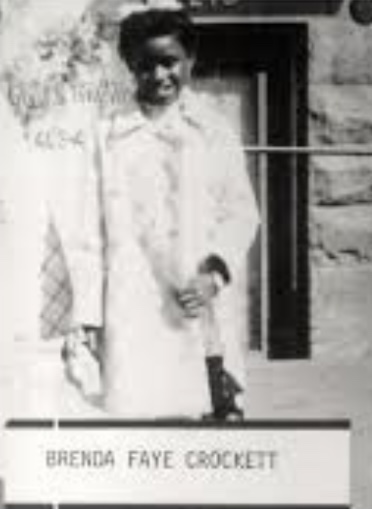
The next day at about 5:50 A.M., a hitchhiker found Brenda’s body on U.S. Route 50 near the Baltimore-Washington Parkway. Her body was found shoeless like the other girls, and she had been raped and strangled with a scarf knotted around her neck.
The next victim of the Freeway Phantom was 12 year old Nenomoshia Yates. She was on her way home from the Safeway grocery store at about 7:00 P.M. A grocery clerk recalls scanning her items and her leaving the store. The same items she bought were found scattered near the store. Just 3 hours after she went missing, Nenomoshia’s body was found off the shoulder of Pennsylvania Avenue in Prince George’s County, Maryland. Like the other girls, her body was shoeless and was found with green fibers. After this murder, the killer became known as the Freeway Phantom.

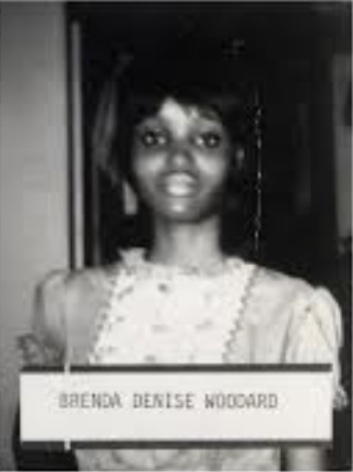
On November 15, 1971, 18 year old Brenda Denise Woodward left after having dinner with a classmate and got on a bus on her way home from Baltimore to Maryland at around 11:30 P.M. A police officer discovered her body about 6 hours later. Brenda was stabbed and strangled and she was left in an area near Prince George’s County Hospital along an access ramp to Route 202. Unlike most of the Freeway Phantom victims, Brenda was wearing her shoes. Her coat was placed over her body and in one of the pockets, there was a note from the killer that investigators assume he forced Brenda to write, which read:
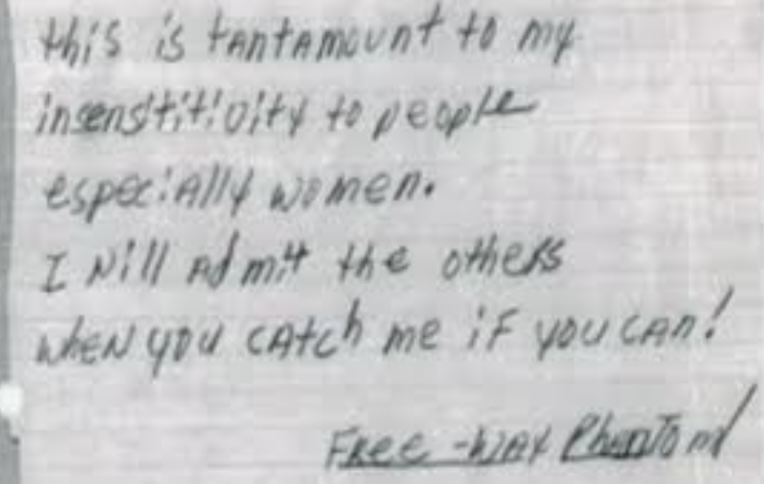
It was also assumed that Brenda may have known her kidnapper.
The final victim of the Freeway Phantom was 17 year old Diane Denise Williams. On September 5, 1972, after cooking dinner for her family, Diane went to visit her boyfriend. She was last seen getting on a bus near her boyfriend’s house at around 11:20 P.M. A few hours later, Diane’s body was found along I-295. She was strangled and her body was found without shoes and with green fibers, just like the other victims.
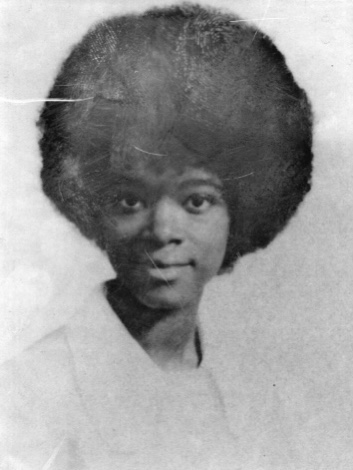
Throughout the investigation, the police got many tips, but many of these tips did not go anywhere. Many of the case files are incomplete, so information about the case became limited over time.
There were several suspects in the Freeway Phantom case. These include the Green Vega Rapists, Edward Sullivan and Tommie Simmons, and Robert Askins. The Green Vega Rapists were a gang prominent for many sexual assaults in the area that the girls lived in. One of the gang members did gesture that another member had been involved, but this was later recanted by said gang member. Edward Sullivan and Tommie Simmons were two ex-cops who were both arrested in July of 1971 for the murder of a 14 year old girl named Angela Denise Barnes, who was thought to be a victim of the Freeway Phantom killer. Lastly, in March 1977, Robert Askins was arrested for raping a 24 year old woman in Washington, D.C., and upon investigation, it was found that he had been previously charged with multiple murders. After his home was searched in 1978, a note with the word “tantamount” was found , which a judge thought was an uncommon word to use. Despite these suspects, none of them led to the identity of the Freeway Phantom Killer.
There are several things that I wanted to point out about these murders that connects them. These young women were all obviously found along freeways in the same area. Almost all of them were sexually assaulted, strangled, shoeless, and had green fibers near their bodies. They were all young African American girls and many of them had “Denise” in their names. Because of these things in common and how close the girls were all found, I feel as though the killer lived nearby and had possibly stalked his victims before killing them. The girls may have even recognized or known the man.
I also theorize that maybe the same men that killed Angela Denise Barnes may possibly know another man who was also involved and the 3 were all responsible for these killings. Like many of the Freeway Phantom victims, Angela’s middle name was also “Denise” and her murder occurred in the same area and during the same time as the Freeway Phantom killings. Perhaps this third party was also a cop. This is just my theory.
Who could be the Freeway Phantom killer? Is it really one killer or are there multiple killers involved? These are questions that will hopefully be answered in the near future to get the answers to the Freeway Phantom murders and bring the victims justice.
Resources-
https://en.wikipedia.org/wiki/Freeway_Phantom
https://www.newspapers.com/clip/22626145/cops-angela-denise-barnes-murder-2/
https://people.com/crime/freeway-phantom-unsolved-case-washington-dc-murders-haunts-families/
 TRUE CRIME REPORT