Catalina de los Ríos y Lísperguer, also known as La Quintrala because of her fiery red hair, is infamous for being one of the earliest known female serial killers. Her crimes spanned between 1622 to her death in 1665. She is said to have killed about 40 people.
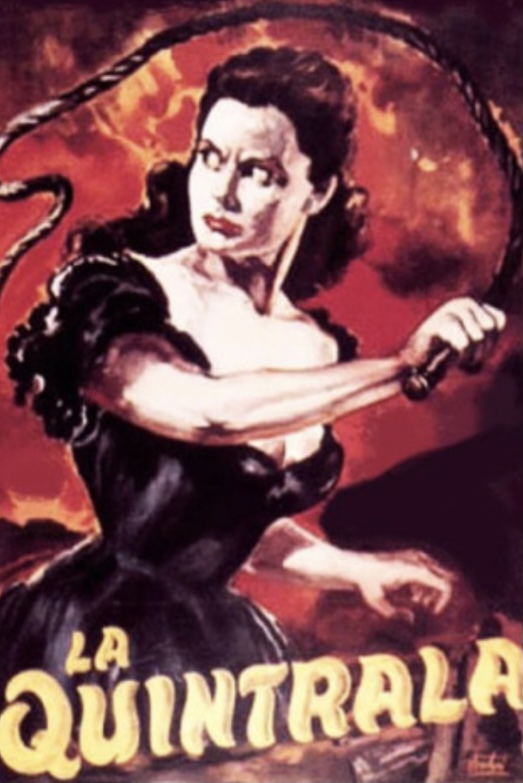
Catalina was born in October of 1604 to a wealthy family of landowners in Chile. She was the daughter of the Spanish nobleman Gonzalo de los Ríos y Encío and his wife Catalina Lísperguer y Flores.
Growing up, Catalina was mainly looked after by her father and grandmother. Despite her family’s wealth and social status, Catalina did not receive good education and was semi-illiterate until her death. Catalina was considered a beauty by others; she had a white complexion, a tall stature, fiery red hair, and intense green eyes. She was a mix of Amerindian, Spanish, and German.
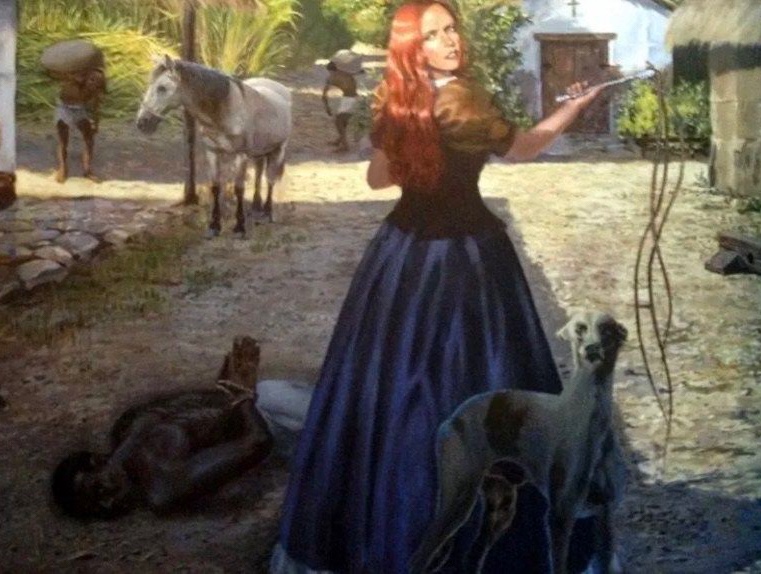
The first homicide accusation against Catalina was that she had murdered her own father by poisoning a chicken dinner she had prepared for him. It is believed this happened when she was 18 years old in 1622; her father was ill in bed at the time. Though Catalina was reported to the authorities by her aunt, she was never prosecuted for the murder, either due to the lack of evidence against her or her family’s influence.
After both of her parents died, Catalina’s grandmother Águeda Flores took over as her guardian and began looking for a man to marry. At age 22 in September of 1626 married the 42 year old Spanish colonel Alonso Campofrío de Carvajal y Riberos. According to a historian, Alonso was well aware of Catalina’s cruel ways toward others, but he loved her regardless. A year after their marriage, Catalina gave birth to their first and only son, Gonzalo, who unfortunately passed away between the ages of 8 and 10 years old. Catalina’s sister also died in 1628, which caused Catalina to gain even more land in Chile.
In approximately 1624, Catalina invited a rich “feudatario” to her home, where she later killed him. When she had him in her arms, she killed him with knives and then blamed the crime on one of her slaves. The accused slave was later executed for the crime. She also supposedly beat and stabbed another former lover by the name of Enrique Enríquez de Guzmán to death, with reason that he had been playing with her feelings since he had refused to give her a cross, which is a symbol of his nobility, in exchange for a kiss. Enrique even threatened to brag about their affair publicly as well as taking advantage of “loose” women, referring to Catalina, enraging her even more. It is also rumored that she had cut off the ear of Martín de Ensenada, and she killed a knight of Santiago in front of another man after a romantic date.
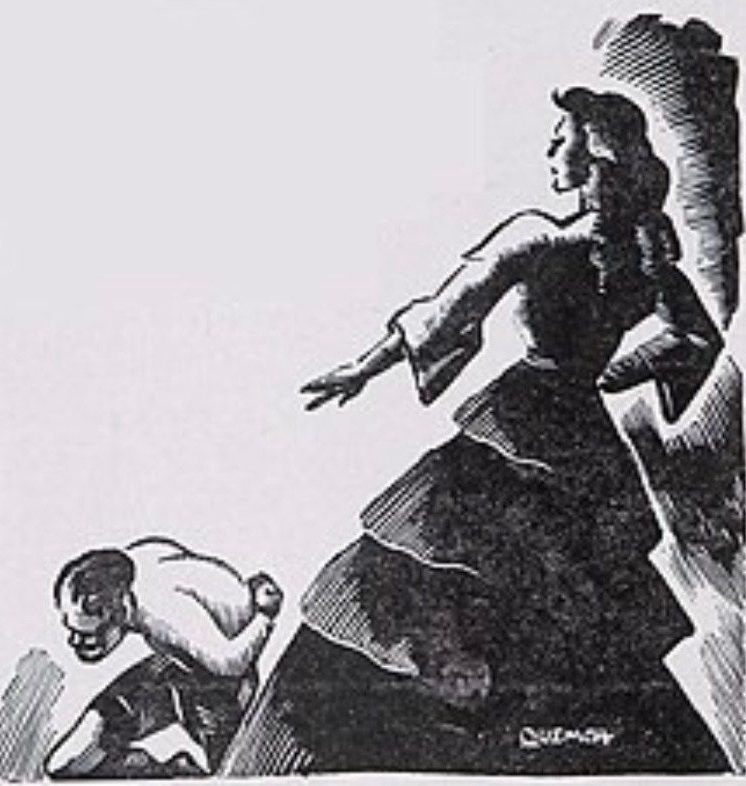
Through inheritances, Catalina became a land owner of multiple places in Chile. According to legend, the terrible acts that Catalina committed began to grow even more after her husband’s death. It began when a black slave by the name of Ñatucón-Jetón was killed without any motive or explanation, and La Quintrala left his body unburied for two weeks.
This same year, La Quintrala’s tenants became fed up with her cruelty and rebelled and fled towards mountains and neighboring villages, but she had them brought back by force by royal authority.
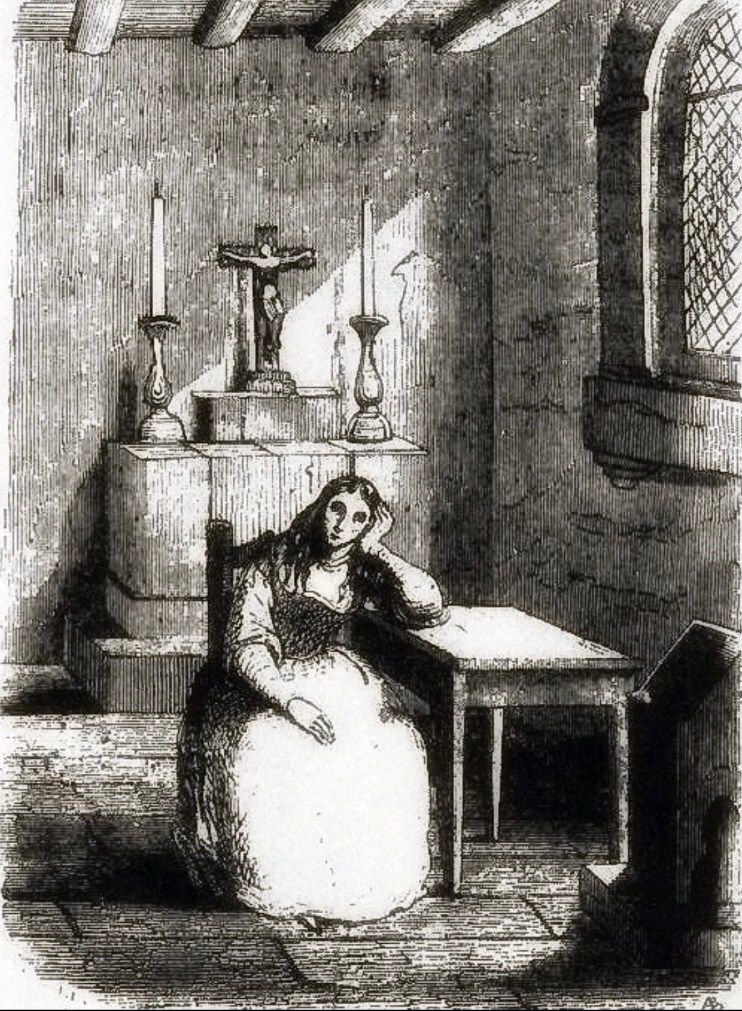
Catalina continued to cruelly torture the slaves as well as Indigenous people that lived in the area almost daily. She would beat and whip them brutally, and then she would order their bodies to be washed in water that was usually contaminated with salt, chilis, and even urine. Days later when their wounds began to heal, she would whip them again. This daily torture took the lives of so many people. In 1633, Catalina attempted to kill a cleric from La Ligua named Luis Vasquez after he confronted her about her cruel actions. After reports of Catalina’s actions, she continued to avoid persecution for years because of her money and social status. However, authorities did make her leave her estate, but she still never faced justice.
Catalina died at 61 on January 15, 1665. Despite her actions, Catalina had a lavish funeral in the Church of San Augustin because of the donations she made to the church. Her estates have been left untouched and abandoned because no one wants to be associated to the believed cursed land. She is recognized in Chilean pop culture as “the epitome of the perverse and abusive. woman,” and the oppression many faced under Spanish authority.
Sources: https://youtu.be/kxcB16wmAVc
https://www.ancient-origins.net/history-famous-people/la-quintrala-0012488
https://en.wikipedia.org/wiki/Catalina_de_los_R%C3%ADos_y_Lisperguer
 TRUE CRIME REPORT